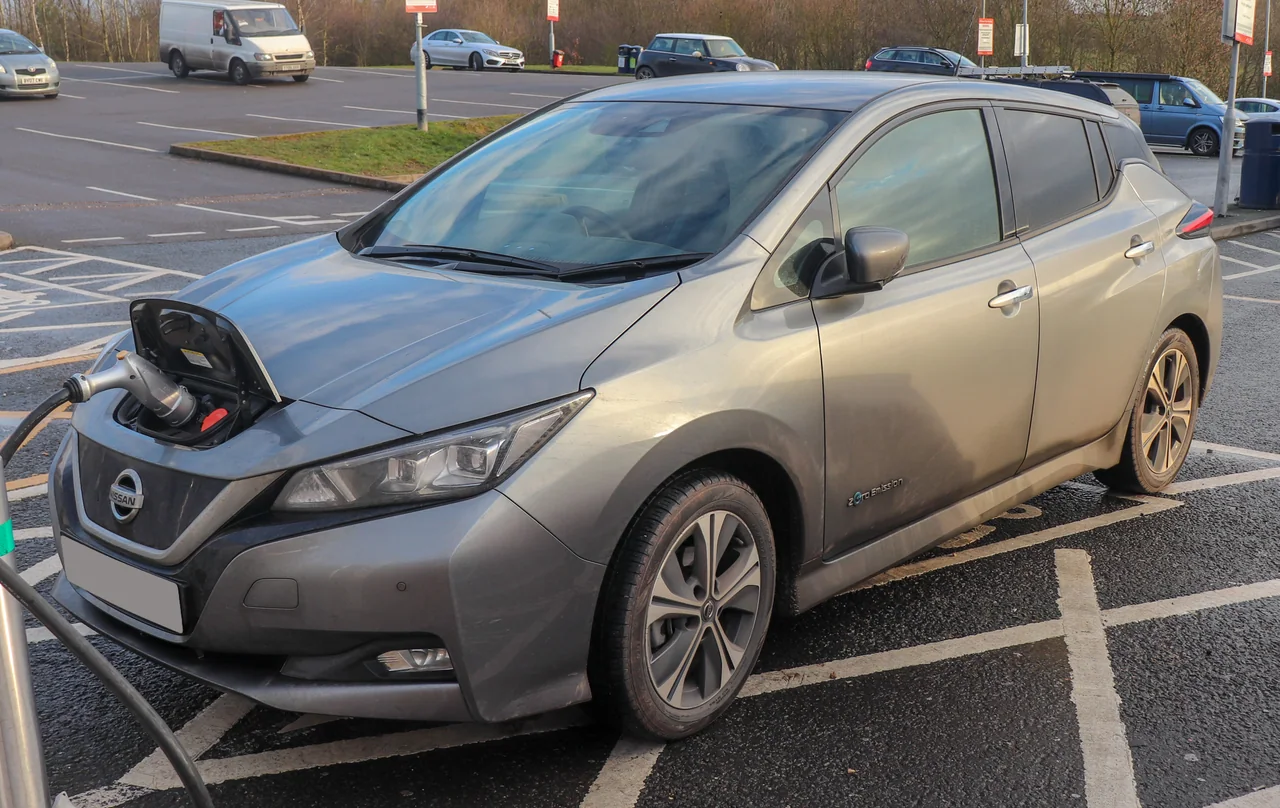
The AA’s analysis of Department for Transport licensing data records a 99,676 rise in privately owned battery-electric car stock from Q1 to Q2 2026. The number is a change in registrations, not a count of sales.
The AA says private EVs accounted for 65.2% of the 152,954 increase in electric cars registered to private and company owners during the quarter. The 99,676 figure is the AA’s calculation from the licensing data it cites.
The AA also illustrates running costs using HMRC advisory rates: 7p per mile for an EV charged at home and 17p for petrol in a medium-sized car. The 10p difference reaches £1,000 over 10,000 miles, an energy-cost comparison for those reference rates.
Work out an estimate for your driving
The AA’s rates are reference figures. For a personal estimate, start with your expected annual electric miles and the car’s efficiency. Multiply annual miles by the car’s kWh per 100 miles, divide by 100, then multiply by your blended electricity price in pounds per kWh. Blend your home and public prices using each source’s share of charging energy, rather than its number of sessions.
For example, the blended rate is home-charging share × home tariff plus public-charging share × public tariff. Use actual tariffs and the public-charging mix you are likely to rely on; a home-only estimate will misstate costs for someone who often uses public chargers. For a plug-in hybrid, count only the miles expected to be electric.
Use CathayEV’s energy-cost calculator to try your mileage and charging mix. It estimates energy spending; purchase, finance, insurance, maintenance and depreciation remain separate.
Sources: The AA · Department for Transport / DVLA