BYD Seal vs Sealion 7: which UK electric car?
Choose the Seal Design for a lower saloon and its longer official range; choose the Sealion 7 Comfort for an SUV opening and the larger quoted boot. Try the seating and ask for a current on-the-road quote for each.

The verdict
Choose the Seal Design if you want a lower saloon with the longer quoted range. Choose the Sealion 7 Comfort if you prefer SUV access and its larger stated boot. Try both driving positions, fit your usual luggage and obtain a current written on-the-road quote before deciding.
Buy the Seal if
You prefer the lower saloon and longer quoted combined WLTP range.
Buy the Sealion 7 if
You value an SUV driving position and larger quoted boot.
| Dimension | Seal | Sealion 7 |
|---|---|---|
| versions | Seal2026 Seal Design RWD | Sealion 7Sealion 7 Comfort RWD |
| WLTP range | Seal354 milesBetter here | Sealion 7300 miles |
| rear boot | Seal485 litres | Sealion 7520 litresBetter here |
| battery | Seal82.5 kWh | Sealion 782.5 kWh |
| peak DC charging | Seal150 kW | Sealion 7150 kW |
| seats | SealFive | Sealion 7Five |
| warranty | SealSix years subject to terms | Sealion 7Six years subject to terms |
Which versions are compared?
This comparison uses the UK 2026 BYD Seal Design rear-wheel-drive saloon and the UK Sealion 7 Comfort rear-wheel-drive SUV. Both are battery electric. The similarly named Seal U DM-i is a plug-in hybrid and is a different car; check the full model and trim on your quote. BYD UK lists both models, but local stock and delivery depend on the retailer. Check the vehicle registration, specification sheet and purchase agreement together. A car offered from stock can differ in build date, equipment or price from a new order, and a demonstration vehicle may have a different trim. Ask the retailer to identify the exact vehicle before paying a deposit.
| Attribute | Seal | Sealion 7 |
|---|---|---|
| UK version | Seal2026 Seal Design rear-wheel drive saloon. | Sealion 7Sealion 7 Comfort rear-wheel drive SUV. |
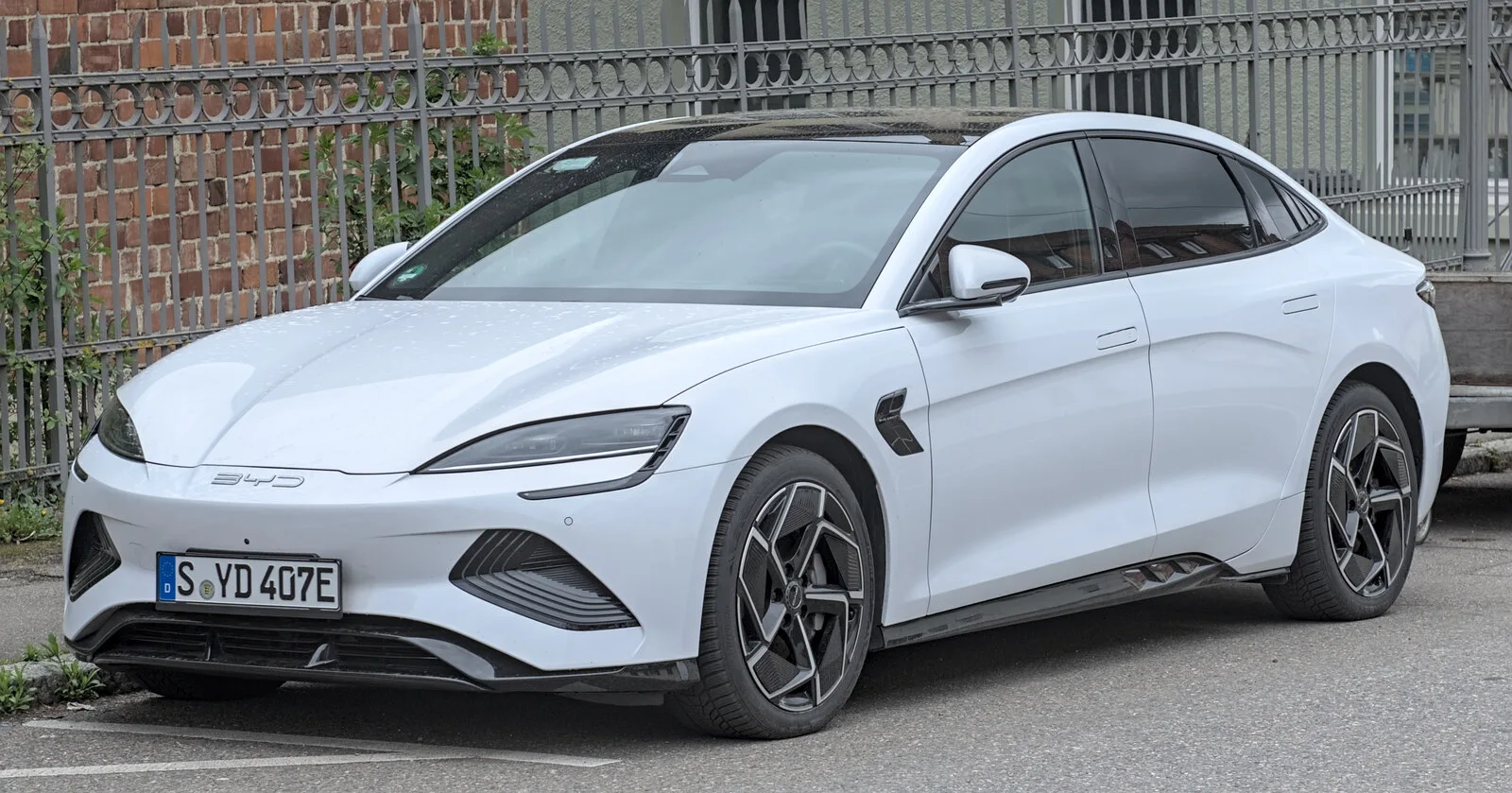
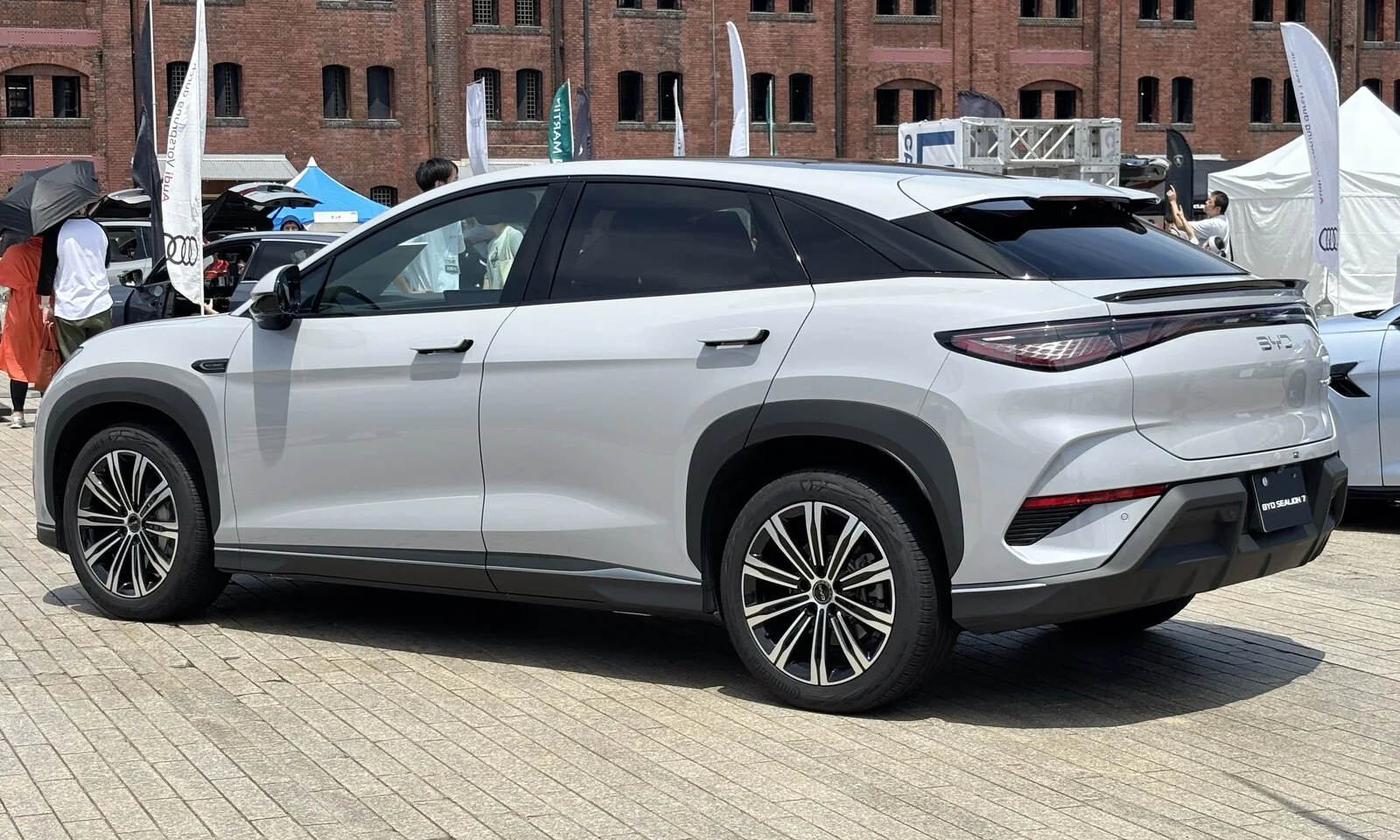
Price: get a current quote
BYD announced the 2026 Seal Design at £45,730 on the road in February 2026. Its March 2025 Sealion 7 launch material listed the Comfort at £46,990 on the road. These are dated manufacturer announcements, not current dealer quotes. Ask the retailer for current list and drive-away pricing, fees and delivery in writing before comparing them. Colour, financing, optional extras and any retailer contribution can change the amount paid. A monthly payment alone cannot show the full cost: compare deposit, interest, mileage limits and any final payment on the same basis. Confirm the terms and expiry of any offer before signing.
| Attribute | Seal | Sealion 7 |
|---|---|---|
| historical UK price | Seal£45,730 OTR announced February 2026; request a current quote. | Sealion 7£46,990 OTR in March 2025 launch material; request a current quote. |
Range and battery
BYD quotes 354 miles WLTP combined for the Seal Design and 300 miles WLTP combined for the Sealion 7 Comfort, each with an 82.5 kWh battery. The 54-mile gap is a comparison of official test figures, not a promise on a motorway journey. Speed, weather and load alter actual range; plan a familiar trip with a reserve. Your route and charging opportunities may matter more than the laboratory difference. Use the same starting charge, planned arrival reserve and journey for each car when discussing a route with the dealer. Wheel and tyre choices can affect the official figure for the actual vehicle supplied.
Charging stops
Both UK specifications quote a maximum 150 kW DC charging rate. BYD states 10-80% in 37 minutes for the 2026 Seal and 32 minutes for the Sealion 7 Comfort, under their respective test conditions. Peak output is not the average throughout a charge; battery temperature and charger power matter. Compare a regular stop rather than a single advertised maximum. If the local charger is less powerful than either vehicle can accept, its output may govern the session. Ask the retailer which connector and home-charging equipment are included, and obtain an installation quote separately.
| Attribute | Seal | Sealion 7 |
|---|---|---|
| rapid charging | SealUp to 150 kW DC; 10–80% in 37 minutes stated. | Sealion 7Up to 150 kW DC; 10–80% in 32 minutes stated. |
Space and parking
The updated 2026 Seal quotes a 485-litre rear boot; the Sealion 7 quotes 520 litres with rear seats up. The stated difference is 35 litres, but boot shape and opening matter as much as capacity. Take a pushchair or the bags you actually use and check child-seat access in person. Measure the garage and driveway before ordering, leaving room to get out and open the tailgate. Seat position also matters: try the rear seats with a driver of your usual height in front. The two stated capacities alone cannot tell you how conveniently a particular item fits.
Running costs and cover
Compare insurance quotes and your own home or public charging tariff as well as the purchase price. BYD states six years of manufacturer vehicle cover for each and eight years of battery cover, subject to the terms for the car supplied. Get the mileage limits, service requirements and exclusions in writing. The electricity figure for your own journey depends on efficiency, season and where you plug in. Check tyre replacement prices and request an insurance quote for the exact vehicle. A warranty duration is not a maintenance budget, and its exclusions should be read alongside the service schedule.
Safety and equipment
The 2026 Seal Design announcement lists a driver monitoring system, electrically adjustable front seats and a panoramic glass roof. BYD describes heated and ventilated front seats and a panoramic roof for the Sealion 7 Comfort. Check the exact UK car and safety-system operation at the retailer; equipment alone does not establish crash-test equivalence. Take time to adjust the seat, mirrors and controls before a test drive. Ask the dealer to explain how the assistance systems behave and which alerts can be configured. These systems assist the driver; they do not replace the need to supervise the road and drive attentively.
How the official figures compare
The Seal’s stated combined WLTP figure is 54 miles longer, while the Sealion 7’s quoted rear luggage volume is 35 litres larger. These are differences between the manufacturer figures for the specified UK versions, not measurements from our own road test. The price announcements are from different dates and should not be treated as a current price gap. The difference in rear boot volumes is calculated from published capacities and is not a unique independently measured result. Nor does either published volume prove that a particular suitcase or child seat fits. Check the actual load opening and passenger space with the retailer. In our own Google Search Console page records, the two UK model pages together appeared 233 times and received one click worldwide in the 28 days through 10 November 2026. This describes our pages, not vehicle sales, search demand in Britain or a representative survey of buyers.
China-side evidence
China evidence and UK specification
China-market evidence is useful context, not a direct estimate for either UK specification. We checked 2025 Chinese Seal 650 Zhijia and Sealion 07 EV 610 Zhijia listings. ZOL reports historic manufacturer guide prices of ¥216,800 (approximately £24,458 at the 13 November 2026 CFETS reference rate) and ¥219,800 (approximately £24,797 at the same rate), respectively. This is a currency conversion only, not a UK import quote or a current China transaction price.
A Sohu contributor describing a 2025 Seal 650 Zhijia reported around 520 km per charge, while one Dongchedi Sealion 07 EV 610 Zhijia owner in Xining reported 420 km. Neither account is independently measured or representative, and conditions differ; neither is a UK range forecast. For the named China variants, ZOL lists 80.64 kWh batteries and maximum DC rates of 230 kW and 240 kW respectively. UK BYD specifications for the cars in this guide quote 82.5 kWh and up to 150 kW each. Market, model-year and trim differences matter.
| Attribute | Seal | Sealion 7 |
|---|---|---|
| China list price | Seal¥216,800 (approximately £24,458; CFETS rate 13 November 2026), historical 2025 China guide price. | Sealion 7¥219,800 (approximately £24,797; CFETS rate 13 November 2026), historical 2025 China guide price. |
| China owner-reported range | SealOne 2025 Seal 650 Zhijia contributor reported approximately 520 km per charge; conditions not verified. | Sealion 7One 2025 Sealion 07 EV 610 Zhijia owner in Xining reported 420 km; conditions not verified. |
| China vs UK spec difference | Seal2025 China 650 Zhijia lists 80.64 kWh and 230 kW; 2026 UK Design lists 82.5 kWh and up to 150 kW. | Sealion 72025 China 610 Zhijia lists 80.64 kWh and 240 kW; UK Comfort lists 82.5 kWh and up to 150 kW. |
Where included, owner reports and complaints are individual accounts, not representative surveys; recalls apply only to the vehicles and markets stated in each notice. Check the source, market and date of each claim.
Method and source dates
We compared the UK 2026 Seal Design announcement dated 19 February 2026 with the UK Sealion 7 Comfort launch press pack dated March 2025, both checked 14 November 2026. Range is combined WLTP and charging times are manufacturer claims. The figures and availability may change; verify the current retailer quote and the specification of the actual car. We have not driven the two specific cars together for this article. Manufacturer claims are labelled as such and historical prices are not current offers. The buyer should check insurance, finance, delivery and the terms of any promotion against a written quote for each actual car.
Frequently asked questions
- Which has more official range?
- BYD quotes 354 miles combined WLTP for the 2026 Seal Design and 300 miles for the Sealion 7 Comfort.
- Which has a bigger rear boot?
- The published rear-boot figures are 485 litres for the updated Seal and 520 litres for the Sealion 7.
- Do both use the same battery size?
- The compared UK versions each have a quoted 82.5 kWh battery.


Next steps
Prices and offers change week to week. The maker's own site has today's on-the-road price.
Keep reading
Check the costs for your own driving
Estimate petrol and electricity spending from your mileage and charging access, then compare finance payments separately.
Enter a complete written PCP quote to estimate payments and total paid to own; the calculator does not estimate a PCH rental.